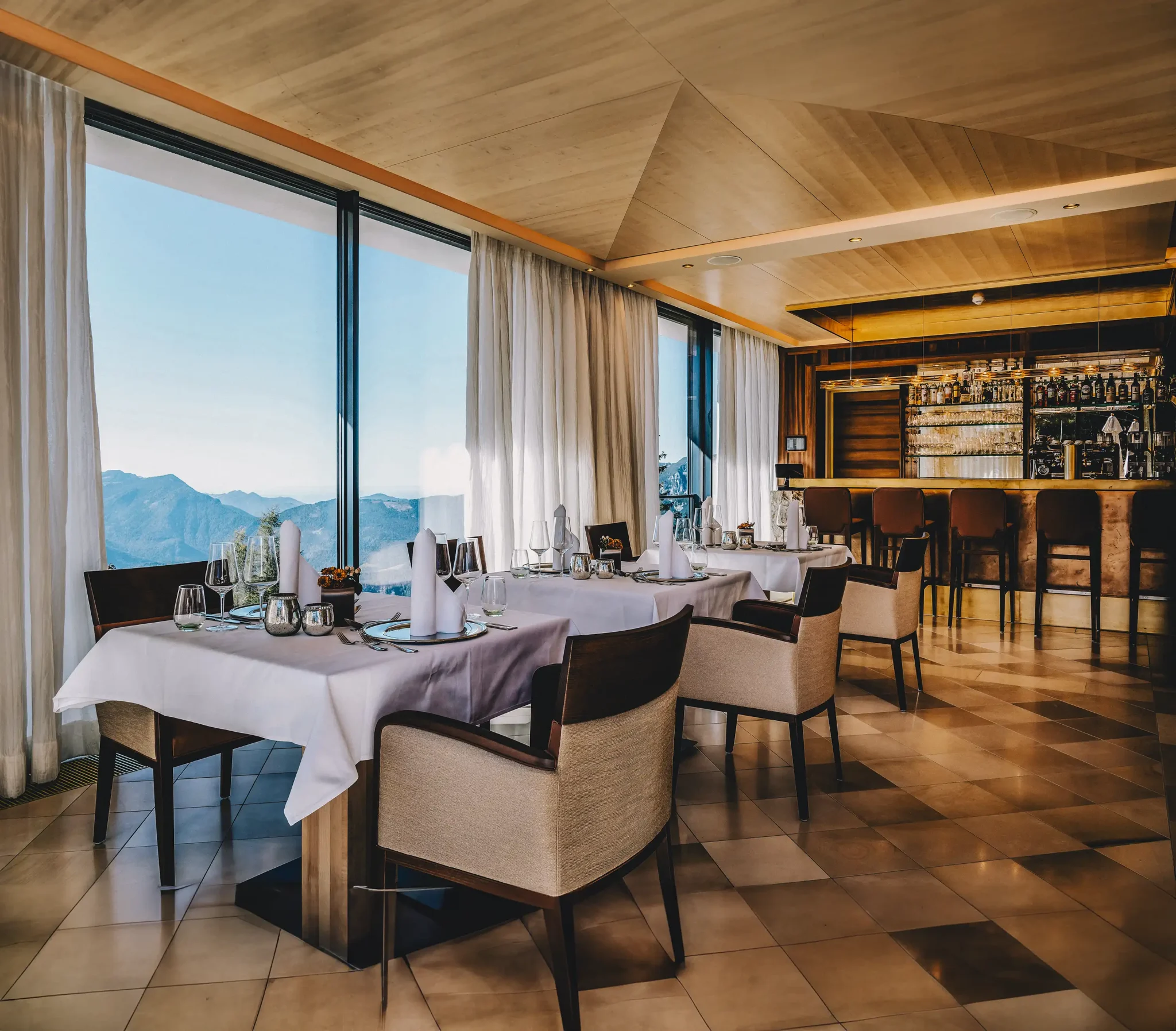
Sound design plays a vital role in shaping the dining experience in urban vertical eateries, where interior design, cityscapes, and mood are equally pivotal the menu. These spaces often feature floor-to-ceiling glazing, high ceilings, and teletorni restoran hard surfaces that can intensify sound, turning the environment into an noisy battleground. Without intentional acoustics, the clatter of dishes, chatter from adjacent tables, and urban hum can break the dining spell, transforming what should be a elegant occasion into a chaotic one.
In vertical dining venues, the primary acoustic objective is to balance acoustics so that patrons can speak naturally without raising their voices, while still maintaining a lively and energetic ambiance. This is achieved through a combination of strategic material choices, such as acoustic panels, fabric-wrapped wall coverings, and suspended acoustic clouds, which minimize echo. padded flooring and plush seating also create sonic warmth, fostering a more intimate setting.
Acoustics aren’t only about silence—it also involves adding purposeful sonic layers. Background music is curated carefully to complement the cuisine and time of day, avoiding anything distracting. White noise machines or soft water features might be used to drown out external noise, especially in buildings with panoramic glazing facing noisy intersections.
Zoning of dining zones also matters. Designers often group tables to form acoustic zones, using plants, decorative dividers, or semi-transparent barriers to disrupt reverberation paths. Even the architectural form and the surface inclinations can be manipulated to channel noise toward service zones like kitchens.
In high-rise settings, where city vistas are a primary draw, sound design must work seamlessly. Guests should feel like they are in a tranquil urban sanctuary, even when surrounded by the distant traffic. A precision-tuned sonic layer enhances the feeling of exclusivity and peace, allowing diners to savor the cuisine, guests, and the stunning city view.
Sound isn’t an accessory—it’s essential is not an add-on—it is a core pillar of hospitality. It elevates the environment from merely visually impressive to spiritually uplifting, ensuring that every visit stays with guests not just for the meal, but for the the sensory impression.