


Estonian cuisine has long been rooted in the land and sea, shaped by centuries of seasonal rhythms and local ingredients.
Over the past decade, Estonia’s urban landscape has become a canvas for a new gastronomic movement, with sleek skyscrapers housing restaurants that redefine what Estonian food can be.
Far more than lofty venues, these restaurants are narrative engines—reconnecting Estonians with their heritage through modern culinary language that astonishes even those who thought they knew their own cuisine.
Who could guess that high above the historic rooftops, one might savor smoked eel kissed by wild birch sap or dumplings made from ancient rye varieties, suspended amid glass and steel?
This is the new reality of Estonian dining—unexpected, deliberate, and deeply authentic.
Former apprentices of Michelin-starred kitchens in Europe and Asia are coming back to Estonia, wielding international precision while anchoring every dish in the country’s ancestral flavors.
One plate might feature delicate langoustine paired with the wild sweetness of cloudberries and the tart pop of sea buckthorn gel, while another presents venison slow-cooked in a stone oven, accompanied by charred greens and the earthy whisper of mushroom ash.
The views from these high floor venues are spectacular, but the real draw is the food.
From the Tallinn Tower to the sleek Baltic House, these venues don’t offer dinners—they curate immersive narratives, where every bite echoes the land, the sea, and the seasons.
A multi-course journey might open with a delicate rye crisp crafted from centuries-old grain varieties, proceed to herring pickled in juniper berries and fresh dill, and conclude with sour cream ice cream lightly dusted with aromatic, toasted birch bark.
Each course connects the diner to Estonia’s forests, fields, and shores, even as the city lights shimmer below.
This isn’t nostalgia dressed in fine china—it’s a bold, authentic reawakening that sidesteps every stereotype.
No longer confined to the image of boiled potatoes and pork fat, Estonian food has shed its outdated reputation to emerge refined, vibrant, and deeply intelligent.
Today’s culinary leaders prize restraint: a single perfect berry, a brush of herb oil, teletorni restoran a whisper of smoke—all chosen not for spectacle, but for truth.
They harvest garlic from Tallinn’s parks, preserve cloudberries in glass jars sealed with beeswax, and source herring and cod from fishermen who still rely on hand-woven, century-old nets.
Sustainability isn’t a marketing buzzword here—it’s a necessity, born from a deep cultural respect for the environment.
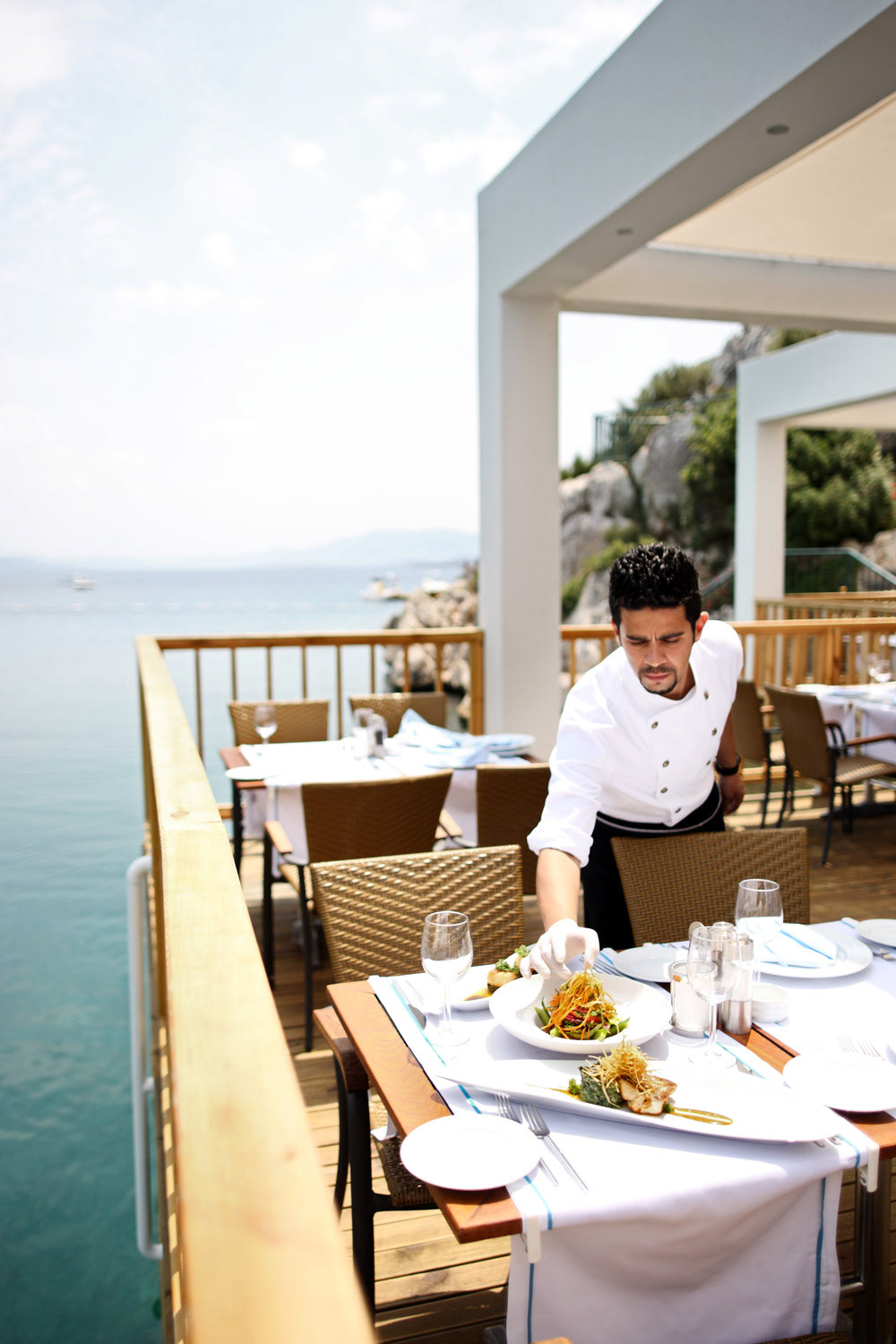
The dining experience in these high-rise spaces is intimate despite the scale.
Each table is placed with care, bathed in gentle, golden light, while the roar of traffic below dissolves into a hushed, ambient background.
Waitstaff don’t just deliver dishes—they illuminate the story behind each bite, from the forest where the mushrooms were foraged to the fjord where the cod was caught.
Diners walk away with more than full stomachs—they carry a renewed sense of pride, seeing their heritage reflected in dishes that are both ancient and astonishingly new.
Estonia’s culinary identity is expanding in step with its global presence, not through imitation, but by breathing new life into time-honored flavors.
In the heart of its tallest buildings, modern Estonian food is proving that the most powerful innovations often come from the deepest roots.