


Proper engine oil maintenance is vital to prolong engine lifespan, boost efficiency, and cut down on expensive repairs
These powerful engines endure intense heat, sustained heavy hauling, and constant idling, all of which rapidly degrade oil integrity
As the oil’s additives deplete and base stock deteriorates, consistent, informed maintenance becomes the only defense against premature engine failure
Start by selecting the right oil for your vehicle
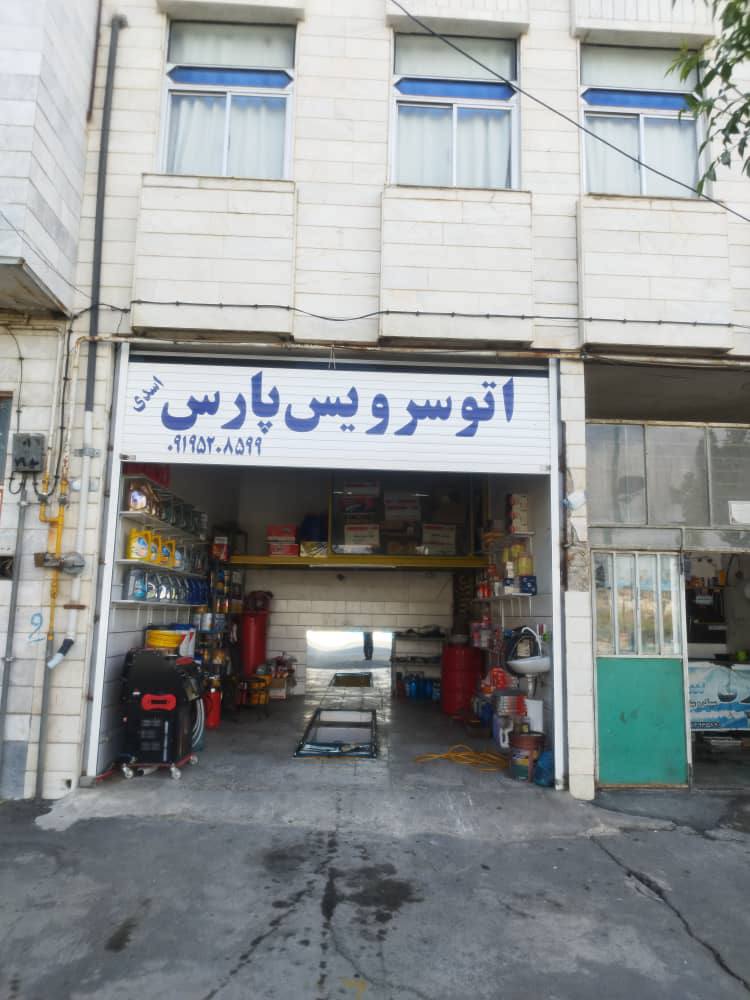
Always follow the manufacturer’s recommendations for viscosity grade and API service rating
In commercial fleets, prioritize oils certified as CK-4 or FA-4—they’re engineered for advanced diesel aftertreatment systems and high-soot environments
Synthetic oils offer better thermal stability and longer service intervals compared to conventional oils, making them a smart investment despite the higher upfront cost
While the manual suggests a baseline, real-world use often demands more frequent changes
In harsh conditions like desert hauling, mining, or urban delivery routes, oil degradation accelerates significantly
A well-maintained log helps predict oil life and spot patterns that signal impending issues
Always use a high-quality oil filter that matches your engine’s requirements
Inferior filtration leads to accelerated wear, sludge buildup, and premature engine failure
Filter replacement is just as critical as the oil change itself
Also, check for leaks around the oil pan, filter housing, and gaskets
A drop of just one quart can increase oil temperature by 20°F, accelerating oxidation
Consistent level checks prevent silent oil starvation
Insufficient oil leads to metal-to-metal contact and thermal runaway
A consistent drop signals either an external leak or internal combustion chamber intrusion
A quick visual and olfactory check can reveal trouble before it’s too late
These signs suggest severe thermal breakdown or fuel dilution
If you have access to an oil analysis service, use it periodically
These tests can detect metal particles, fuel dilution, coolant leaks, and other hidden problems before they cause serious damage
Mixing can destabilize additive packages and reduce performance
Even oils that meet the same specifications can have different additive packages that may not be fully compatible
Consistency in oil chemistry is critical for long-term protection
Finally, ensure the engine is properly warmed up before placing heavy loads on it
Cold starts cause the most wear, and oil that hasn’t reached operating temperature doesn’t flow or protect as effectively
In freezing temps, extend warm-up to 2–3 minutes for full lubrication
By following these practices, you can maintain superior engine oil quality, اتوسرویس داوود extend the life of your heavy-duty vehicle’s engine, and avoid costly downtime and repairs
Small daily actions build into years of reliable performance