


If you aim to keep your engine oil in peak condition for years, correct storage is non-negotiable
Whether you have extra oil from a recent change or you’re buying in bulk to save money
incorrect handling may cause impurities to enter the oil, reducing its effectiveness and risking engine health
Successful long-term oil storage depends on three core factors: temperature regulation, moisture prevention, and secure containment
Always retain engine oil in its factory-sealed packaging
Original packaging is formulated to minimize exposure to environmental contaminants
If you’ve transferred oil to another container, make sure it’s clean, dry, and specifically rated for storing lubricants
Never use containers that previously held other chemicals, as residue can contaminate the oil
Store the oil in a cool, dry place
The optimal temperature window for engine oil is 40°F to 85°F
Don’t store oil where winter freezes or summer heatwaves can compromise its integrity
Repeated heating and cooling cycles promote moisture buildup, leading to water contamination
Water exposure breaks down additive packages and fosters corrosive sludge buildup
A secure, airtight seal is mandatory for preserving oil integrity
Even a slightly loose cap can allow dust, dirt, or moisture to enter
Always remove debris or oil residue from the container’s lip prior to resealing
For added security, apply a plastic lid liner or food-grade sealing tape over the cap
Never place oil containers directly on the ground or concrete surface
Concrete can wick moisture and transfer it to the container
Elevate containers using wooden crates, metal racks, or heavy-duty plastic bins
Elevating containers reduces the risk of damage and moisture-induced seepage
Shield oil from UV exposure at all costs
Prolonged exposure to sunlight accelerates oxidation and additive depletion
Opt for enclosed, light-free spaces such as cabinets or storage rooms
Always shield garage-stored oil with a protective enclosure
Always note the day you first broke the seal
Unopened oil typically lasts 3–5 years, while opened oil lasts 2–5 years based on environmental factors
Refer to the oil brand’s official storage guidelines for optimal results
Before using stored oil, inspect it visually
If it looks cloudy, has particles floating in it, or smells rancid, it may be contaminated or degraded
Contaminated or degraded oil must be discarded—never risk engine damage
A simple paper towel test reveals oil stratification or additive breakdown
Finally, always store oil out of reach of children and pets
Toxicity demands childproof and pet-proof storage solutions
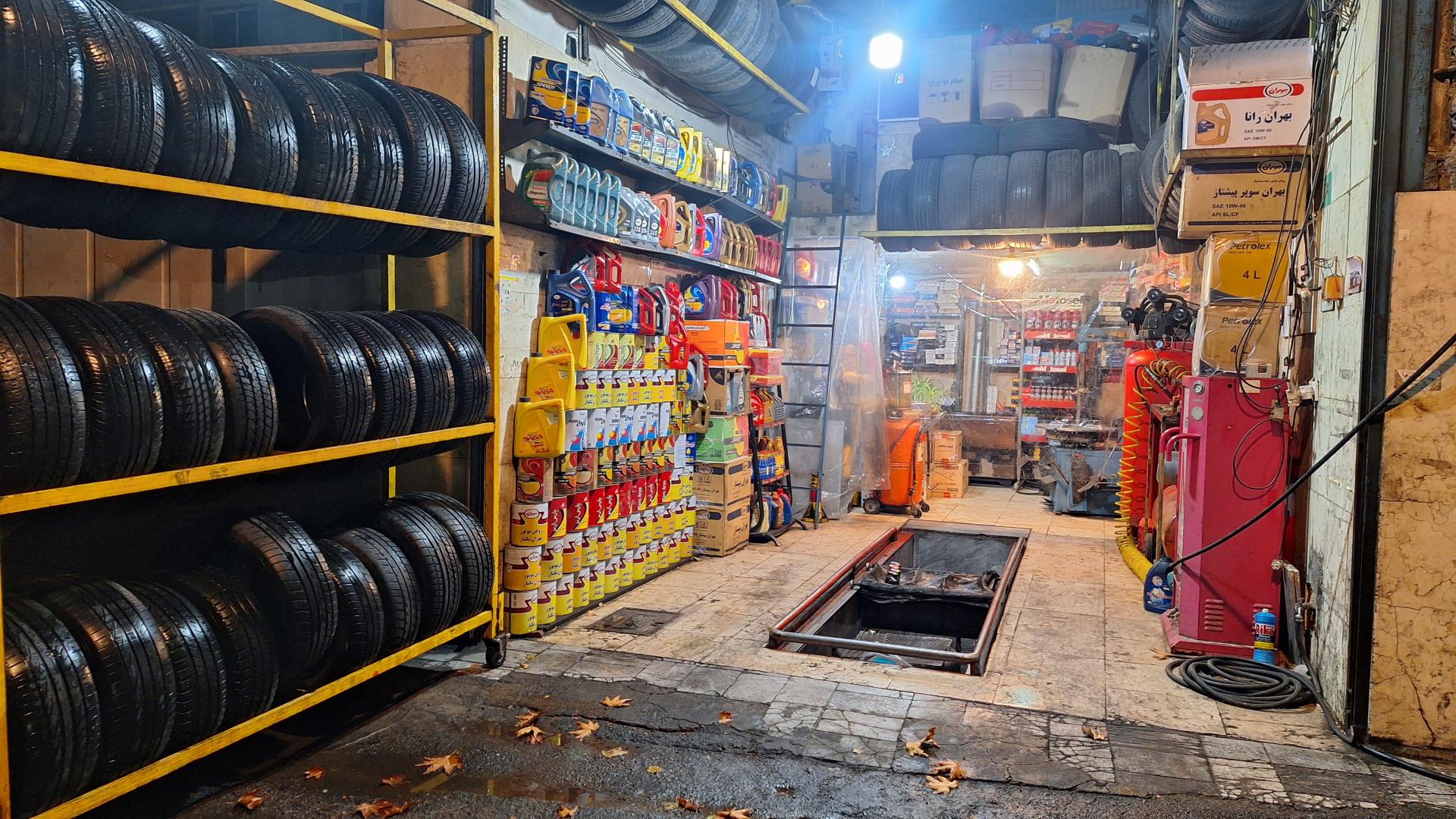
By following these simple steps, اتوسرویس داوود you can extend the life of your engine oil and ensure it performs as intended when you need it most
Proper storage isn’t just about convenience—it’s about protecting your engine and saving money in the long run