


Dishwashers usually become noticeable until it stops working. When it's working well everyone doesn't think about it. Dishes get dirty but clean out, and life continues. When it begins to act odd, the routine in the kitchen falls apart faster than we expected. Water is kept inside, dishes remain messy, or the machine refuses to start even.
The majority of people initially attempt to avoid small signals. A little noise feels normal. The slight smell may be as if it's only temporary. The dishwashers can warn us before they're truly failing. Identifying these issues early helps decide if there is a simple fix or whether it is time to consult a repair professional.
Dishwasher doesn't clean dishes properly
The most common complaint. The machine runs, water flows, detergent is being used, but dishes have stains or food remains.
Sometimes, the issue is straightforward. Spray arms may be blocked by food particles. Filters may be clogged. The parts require periodic cleaning however, many people do not realize that they exist.
If cleaning the filter doesn't help, the problem might be much deeper. Low water pressure inside this machine or worn spray arms or heating issues can hinder cleaning efficiency. At this point, repeated washes don't only use water but also electricity.
If the dishes remain dirty despite the proper loading process and detergent usage an expert in repair should investigate the internal parts.
Water doesn't drain after wash
Opening the dishwasher maintenance Melbourne (Suggested Internet site) and finding dirty water sitting at the bottom is frustrating. Many people attempt restarting the machine. Others manually scoop water and hope it does not come back.
In most cases, drain problems start small. Food particles can clog the drain pipe or filter. Sometimes, the connection between the sink and drain creates backflow.
If cleaning visible parts does not resolve the issue then the drain pump might be faulty. In the absence of this, it could lead to an increase in odors, leaks and the possibility of electrical damage.
Standing water after every cycle can be a sign that professional repair is needed.
Dishwasher won't start
When you press the start button, seeing nothing happen creates panic. Before you assume the worst, simple checks can be helpful. Check the power supply, door latch and the settings for the control lock should be examined.
If power is present and the door does not close properly it is possible that the issue lies with controlling board issues or the internal wiring. They are not the parts to be tinker with.
Repeated start failures usually mean electrical problems. In this case, contacting the repair specialist is safer than trial and trial and.
Unusual noises during operation
Dishwashers sound. However, there's a big difference between normal operational noise and the sudden thud or rattle.
A lack of utensils or improperly loaded racks may cause a short-term hum. It's simple to fix.
If the noise continues when the machine is not running, internal components could be worn. Motors, pumps, or bearings can deteriorate over time.
A strange sound shouldn't be dismissed. A prolonged operation can harm parts which could otherwise be repaired.
Dishwasher that leaks water
Wet kitchen floors after a laundry cycle is an indication of danger. Small leaks usually go unnoticed under the machine.
Common causes include damaged door seals, loose the hoses or cracks in the spray arms. Certain leaks are only visible when certain cycles are in use.
Unintentionally leaking can damage cabinets, flooring and electrical connections. If the cause of the leak isn't obvious, a professional inspection is needed.
Damage to the water can cost more fix than the dishwasher itself in many instances.
Dishwasher leaves a bad odor
An unpleasant smell in the dishwasher is commonplace, but is often misunderstood. Food particles, grease as well as moisture, create smell over time.
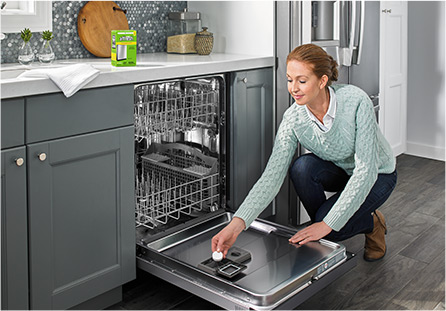
Simple cleaning can help. Running hot cycle, cleaning filters, and leaving the door open after using reduces odor.
If the smell persists even after cleaning and internal drainage issues, stagnant water may be the reason. In hidden areas, mold growth could be the cause.
Persistent strong odor usually requires an expert's attention to find the causes.
Dishwasher has not dried dishes
Dishes that are left wet after the cycle is irritating. Drying issues can be related to heat elements or ventilation issues.
It is thought by some that this is normal, but modern dishwashers are made to effectively dry.
If drying performance suddenly drops it could be because the heating element might be malfunctioning. Sensors with faults can also disrupt drying cycles.
Heating-related electrical components shouldn't be handled without the necessary technical expertise. Expert assistance in repairs is required here.
Error codes on display panel
Modern dishwashers display error codes. These codes are often confusing to users since manuals often are lost or unclear.
Some error codes may be related to minor problems like interruptions in water supply. Other error codes point to major internal faults.
Error codes that are repeated should not be ignored, or reset indefinitely. In doing so, you could aggravate the problem.
A repair expert understands these codes and diagnose the problem accurately, without any making assumptions.
If quick fixes don't work,
Many dishwasher issues start with small fixes. Cleaning filters, checking hoses, resetting power, or adjusting ways of loading can help you start.
When the same issue is encountered every time, it's an indication of a more significant issue. Short-term fixes can become time-consuming and can be frustrating.
The dishwasher that is constantly breaking down is asking for professional attention.
What are the reasons why delaying repairs costs more?
Some people wait to call an expert in repair hoping that the problem will go away by itself. Dishwashers aren't able to heal themselves.
Small issues can cause strain on other components. A blocked drain can affect the pump. Problems with heating can affect the performance of cleaning. Electrical issues are quickly propagated.
Repairs made early are usually less expensive as it protects the appliance the possibility of a major breakdown.
If you think replacement is the best option
Some dishwashers are not repaired. Highly old appliances with frequent failures might not warrant repair expense.
A repair expert can inform candidly whether repair can be justified or if a replacement is more beneficial.
The decision is based on the age, condition, and availability of parts.
Selecting the right repair specialist
Dishwashers, which are complex appliances, combine water, heat, and electronics. Improper repair causes safety risks.
Qualified repair experts diagnose before fixing. They will not repair or replace any part in a blind way.
Do not take shortcuts offered without inspection. It is important to be able to clearly explain the diagnosis.
A practical final thought
Dishwashers typically show signs prior to being completely unusable. Neglecting these warnings can lead to anxiety and can result in a significant increase in cost.
Understanding common dishwasher issues can help decide when to tackle simple cleaning or when you should step back and contact a specialist in repair.
An immediate repair makes the appliance functional and prolongs its lifespan. In the long run, waiting too long can lead to irreparable damage.
In the conclusion, knowing when stop fixing, and when to start repairing professionally can save time, cost and also peace of mind.