


 Thus the practically deaf Loos supported the "atonal" composer Arnold Schoenberg and championed the painter Oskar Kokoschka after he was declared Oberwildling (prime beast) at the 1908 "Kunstschau." Another fixture at Kraus's Stammtisch inthe Café Central was the bohemian poet Peter Altenberg, who resided on the Graben Hotel and sported sandals all year long. The style for exquisite miniatures is further reflected in the Wiener Werkstätte's postcard collection (including many café scenes) and in the work of Peter Altenberg, who specialized in expressive verbal sketches, usually written on images or postcards. To additional their goals, the Siebenerklub (Josef Hoffmann, Joseph Olbrich, Kolomon Moser, Max Kurzweil, Friedrich Pilz, Leo Kainradl and Adolf Kapellus) and a few colleagues from the Hagengesellschaft (Josef Engelhart, Friedrich König and Alfred Roller) launched an alternative exhibition house, the Vienna Secession, which opened its doors in 1898. With the painter Gustav Klimt as its first President, the Secession united elder statesmen like the architect Otto Wagner and young mavericks like Adolf Loos in pursuit of an art appropriate "to the age." Belief in freedom of expression, originality of conception and the superior taste of a self-chosen creative elite bound this unfastened group, which shared no mounted stylistic program.
Käthe Kollwitz, whose profession spans the prewar and postwar interval, ventured into proletarian cafés and taverns that few of her male colleagues (for all their leftwing pieties) recurrently visited. Like Kraus, he idealized the early nineteenth-century Biedermeier period, and he sought a return to such simplicity within the austere inside and furnishings he designed for the Café Museum in 1899. Ornament, Loos mentioned, was criminal, not solely because it often defied sensible utility, but as a result of it squandered labor and supplies. The café had an obvious appeal as a grasp-out for those, like writers, performers and artists, who didn't hold bizarre nine-to-five jobs. Plenty of writers, including Lasker-Schüler, eulogized the Café des Westens after it closed in 1915. This café particularly was thought-about emblematic of a magical moment: Germany earlier than the nice War, a place inhabited by creative young idealists. It features numerous shops (together with many nationwide retailers), a multiplex, and lots of eating places to select from, all in a flip-of-the-century plaza that includes distinctive sculpture and outdoor dining. Several years ago, the late r Beatle George Harrison and sitar master Ravi Shankar had been seen dining together at the identical spot. She spent two years studying the way to inspect meat from a retired meat inspector named Joe Dowd.
Renowned for its "newspaper waiter," who catered to clients' studying preferences, the Café des Westens sheltered the emergent Expressionist generation within the years before World War I. Herwarth Walden, founder of the journal and gallery Der Sturm hung out there together with his wife, the poet Else Lasker-Schüler. Krais's assaults on the Secession and Klimt reveal a considerable amount of irrational vindictiveness, but one should do not forget that Kraus was primarily a social and literary critic, out of his depth when it got here to art. Of course there were café prospects-businessmen, bankers, civil servants and the like-who got here and went with relative alacrity, however the regulars who gave the fin-de-siècle Kaffeehaus its reputation fit a decidedly totally different profile. Look and his Kaffeehaus mate Karl Kraus ultimately came to reject not the Secession's underlying principles, however quite the Secessionists' execution of their mandate. Thus two start options had been laid down: one might, just like the Secessionists and the Wiener Werkstätte, seek an accommodation with bourgeois modernity for the sake of commercial success, or one might reject the bourgeoisie categorically and remain an outcast. The architect Adolf Loos was extra to the point i his criticism of Josef Hoffmann and the Wiener Werkstätte. And although these caps typically differed more in style than in substance, they set two very distinct agendas for the Viennese artwork scene.
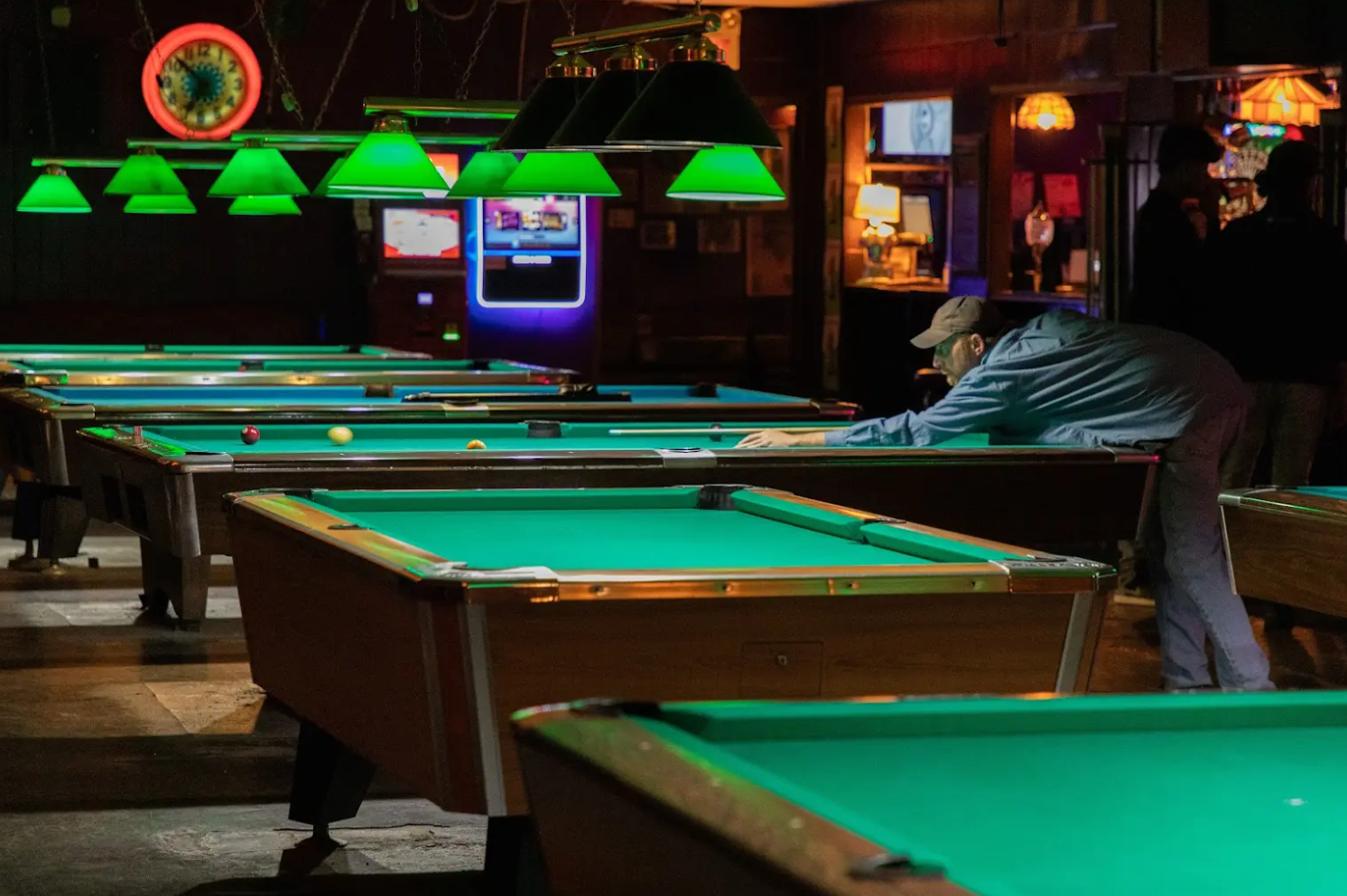 Two seminal artists' groups, the Siebenerklub (Club of Seven) and the Hagengesellschaft (Hagen Society, named after the café's proprietor), met on the Café Sperl, which offered art provides along with coffee. Getting there: from downtown Los Angeles, take the Pasadena (110) Freeway northeast (about seven miles) to the place in change into the Arroyo Parkway. Pasadena Avenue on the west and the Arroyo Parkway on the east. Furthermore, the purpose of effective art was not to coddle or flatter, in the style of Klimt's lavish society portraits, but reasonably to shake viewers out of their complacency: to shock and to reveal deeper truths. Nevertheless, Schiele, like Kokoschka, pioneered an strategy to art that fulfilled Loos's requirements by shaking viewers out of their complacency. Before you rush out two issues. Consequently, by 1900 the cultural elite has divided into two camps. Seventy-one out of eighty-5 girls in town of Larimore are opposed to ladies suffrage. There may be even a manual money register, and if you’re pulling out the credit card to pay, put it again. For leisure, there are clubs and theaters, and varied spots round Old Town affords billiards, dancing, Dixieland jazz, string quartets, and even Flamenco (Friday nights at La Luna Negro.) And that's not to mention the road performers.