


A dishwasher typically is noticed just when it stops working. When it's running fine the dishwasher is not noticed by anyone. Dishes get dirty, come out clean, and life goes on. When the machine starts acting odd, the routine of the kitchen falls apart faster than we expected. Water remains in the dishwasher, food items remain oily, or the appliance refuses to run even.
Most people start to avoid small signals. A little noise feels normal. The slight smell may be as if it's only temporary. However, dishwashers are able to warn users long before they're totally ruined. Knowing these issues early can help determine if you can fix it quickly or whether it is time to engage a repair specialist.
Dishwasher not properly cleaning dishes
It's the most commonly reported complaint. The machine is running and water flows, soap is used, and the dishes end up with stains or food leftovers.
Sometimes the issue is easy to fix. Spray arms could be blocked by food particles. Filters might be clogged. The parts require periodic cleaning however, many people don't know about them.
When cleaning the filter does not help, the problem might be more serious. Weak water pressure inside an appliance, as well as worn spray arms or heating issues can make cleaning less effective. At this stage, repeated washes use only water and electricity.
If the dishes continue to be dirty despite the correct load and detergent usage, a repair expert should inspect internal components.
No water drains after wash
Unloading the dishwasher and seeing filthy water at the lowest point is quite frustrating. Some people try restarting the dishwasher. Others use manual scoops to collect water and hope that it doesn't get back to normal.
It is common for drain issues to start small. Food particles are a problem for drain of the hose, or infiltrate. Sometimes, the sink drain connection leads to backflow.
If cleaning the visible parts do cause problems, the drain pump may be faulty. The failure to recognize this can cause spills, odors or perhaps electrical harm.
There is a lot of water in the cycle after each cycle. This is a sure sign that professional assistance is required.
Dishwasher will not even start
Pressing the button to start and finding nothing happening causes panic. Before making assumptions about the worst, simple checks can help. The door latch, power supply and settings for control locks must be checked.
If power is available and the door shuts correctly It could be that the problem is with it's control board as well as the internal wiring. These are not parts to play with.
Repeated start failures usually mean electrical malfunctions. If this happens, calling the repair specialist is safer than trial and error.
Unusual noises during operation
Dishwashers are noisy, but there's a difference between normal operating noise and a sudden rumbling or loud rumbling.
Lack of utensils and improperly loaded racks can cause a temporary hum. It's simple to fix.
If the noise doesn't stop even after emptying the machine, the internal components could be worn. Motors, pumps, or bearings can deteriorate over time.
Unusual sounding sounds shouldn't be dismissed. If you continue to operate, it could cause damage to the parts that are repairable.
Dishwasher leaking water
The presence of water on your kitchen floor after a wash cycle is a warning signal. Small leaks usually go unnoticed underneath the machine.
The most common causes are worn door seals, loose the hoses or cracks in the spray arms. Some leaks can only be seen during certain periods.
In the event of ignoring leaks, they can cause damage to flooring, cabinets and electrical connections around them. If the cause of the leak is not clear, a an inspection by a professional becomes essential.
Damage to water costs more fix than the dishwasher itself in many cases.
Dishwasher releasing bad smell
Dishwasher odors that are bad is commonplace, but is often misunderstood. Food debris, grease and moisture can cause smells over time.
Basic cleaning assists. Running hot water cycles, washing filters, and leaving the door open after using decreases odor.
If the smell persists, despite cleaning the area, internal drainage issues or stagnant water might be the cause. A growth of mold within the hidden areas is possible.
A persistent and strong odor typically requires experienced attention to pinpoint the root causes.
Dishwasher doesn't dry dishes
Clean dishes that remain wet after the cycle is irritating. Drying problems often stem from the heating element or problems with ventilation.
A few people think it's normal, but modern dishwashers are made to effectively dry.
If drying performance suddenly decreases you may find that the heating element could be malfunctioning. Sensors malfunction can also impact drying cycles.
Heating and electrical components should not be handled without any technical understanding. Expert involvement in repair is crucial when it comes to heating.
Error codes in display panel
Modern dishwashers display error codes. These codes can be confusing because manuals are often lost or not clear.
Certain error codes refer to minor problems like interruptions in the supply of water. Others point to serious internal issues.
In the event of repeated error codes, they should not be ignored, or reset indefinitely. In doing so, you could aggravate the issue.
A repair expert understands these codes and can identify accurately without speculation.
If quick fixes don't work,
Many dishwasher issues can be resolved with minor fixes. Cleaning filters check hoses, resetting power, or adjusting how you load the dishwasher help at first.
When the same issue is encountered in a series of instances, this indicates something more fundamentally wrong. In the short term, fixes are time-consuming and frustrating.
A series of breakdowns indicates that the dishwasher needs attention from a professional.
Delaying repairs can cost more.
Many people put off calling a repair professional hoping that they will solve the issue on its own. Dishwashers can't heal themselves.
Small problems may cause stress to other components. A blocked drain can affect the pump. Heating issues impact cleaning performance. Electrical faults spread quickly.
Repairs performed early typically cost less and will prevent a major failure.
If replacing is the better alternative
Some dishwashers are not repaired. Dishwashers that have seen a lot of problems may not justify repair cost.
An expert in repair can advise candidly whether repair can be justified or if replacement is more appropriate.
The choice is based on its condition, age, as well as availability of components.
How to select the best repair expert
Dishwashers are highly sophisticated appliances that incorporate heat, water and electrical components. Repairs that are not done correctly pose safety hazards.
Qualified repair experts diagnose before fixing. They do not fix parts by accident.
Beware of quick fixes made without exam. It is important to be able to clearly explain the diagnosis.
Practical closing thoughts
Dishwashers usually show signs prior stopping completely. In the absence of these warnings, you can increase the amount of stress and money.
Understanding common local Dishwasher repairs melbourne problems can help to decide when it is time to try a simple cleaning and when you need to step back and call an expert repair.
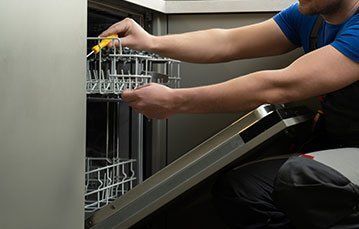
It is important to repair the appliance promptly. This keeps it operating and lasts longer. Waiting too long often leads to damage that is not preventable.
In the end, knowing when to stop fixing, and when to start repairing professionally will save time, money and also peace of mind.