


 Getting misplaced impacts the standard of life of older people who may endure from dementia. Naturally, it worries their caregivers too, however what can know-how do to help? A telephone survey of 251 family caregivers of individuals with dementia (1) in 2007 found that the prevalence of getting misplaced among neighborhood-dwelling folks with dementia was at around 28%. These individuals were most prone to get lost on the road (24%). 61% of respondents would search for care recipients in neighborhood, whereas 12% would search assist from friends and neighbours. It was also discovered that 46% of care recipients had been located inside one hour of lacking and 96% inside 24 hours. Our survey in 2021 of 576 family caregivers of individuals with dementia confirmed related prevalence in getting lost, revealing that there continues to be room to enhance on decreasing the dangers of individuals with dementia getting misplaced in the community. While solely 12% of household caregivers would search help from associates and neighbours in 2007. In 2021, this had elevated to 21% of household caregivers in search of help from neighbours and safety guards in the residential areas.
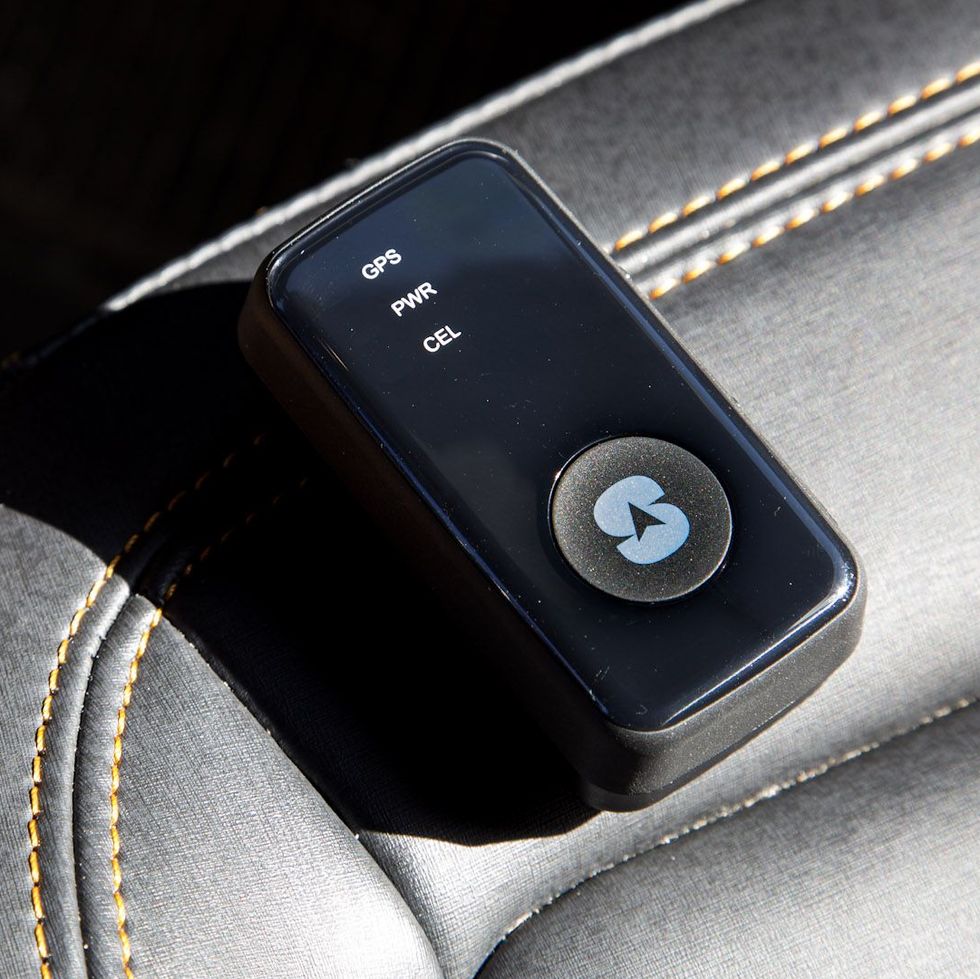
Tracking units and social media weren't prevalent again in 2007. By contrast, these days, caregivers who would use tracking units (2.7%) and social media platforms (4.8%) to assist in searching. This may embrace Bluetooth monitoring devices. When a person with dementia will get misplaced, they are most more likely to be discovered in the streets throughout the day with folks around. Neighborhoods might therefore be a great source of assist, iTagPro Tracker provided that they usually tend to be discovered inside one hour, i.e. not far from the locations they get lost. On this regard, educating the general public would assist make people conscious of this difficulty. Family caregivers of individuals with dementia worry about what the future may hold, and whether their cherished one could get lost. They clearly want to avoid this in any respect prices. Due to technology growth, these days, family caregivers more and more use the GPS function on cell phones or monitoring units to go looking the lost people with dementia, indicating a demand for the event of such expertise.

Due to the donation from The Hong Kong Jockey Club Charities Trust, Jockey Club Centre for Positing Ageing collaborated with The Hong Kong University of Science and Technology and St James Settlement to develop a tracking iTagPro Device using blue tooth and crowdsourcing machine studying expertise within the "Caring communities for dementia campaign". The tracking device "iBeacon" we developed has fast response and lengthy- distance tracking up to 50m and is battery-saving with 1-year battery life. It is designed in several types in order that it can be put right into a wallet or attached to a strolling keep on with lower the resistance of people with dementia to carry the gadget. When an individual with dementia is getting misplaced, iTagPro Device his or her caregivers may activate the missing alert on the app installed on the caregiver’s mobile phone. After which the citizens who have installed the monitoring app on their cell phones will be notified to turn on their Bluetooth for iBeacon searching and GPS for location sharing.