Polyester resins are indispensable for strengthening metal surface protection by forming a high-strength shield that shields metal surfaces from environmental damage. These resins are chemically cured polymers that undergo irreversible polymerization, creating a rigid and highly cross-linked structure. This structure imparts excellent resistance to mechanical stress, impact, and abrasion, which are typical stressors in demanding applications.
One of the key advantages of polyester resins is their ability to bond strongly with metal substrates. When applied as part of a coating system, they adhere tightly to the metal surface, preventing humidity, Acrylic resin manufacturer O₂, and acidic compounds from reaching the underlying material. This strong adhesion minimizes the risk of peeling, blistering, or delamination, which can weaken the coating’s effectiveness through prolonged exposure.
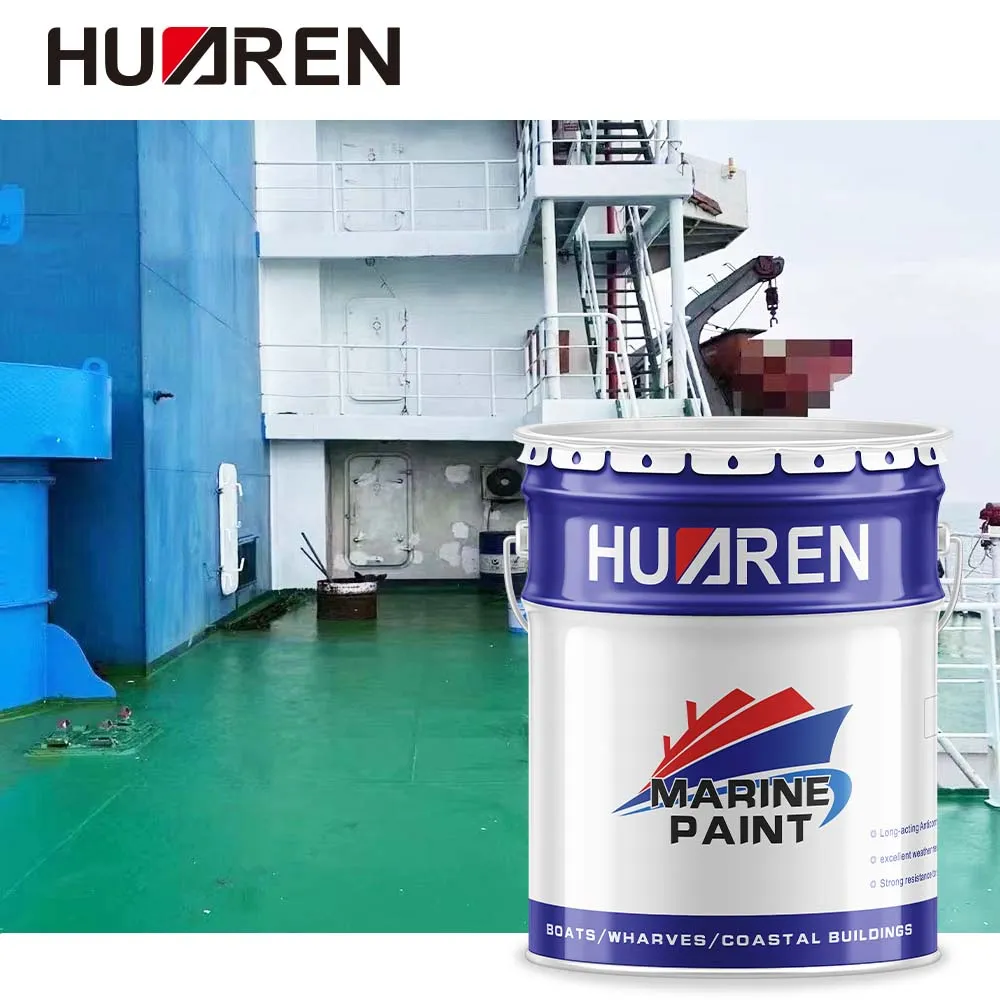
Polyester resins also offer superior resistance to a wide range of environmental factors. They are powerfully resistant to humidity, chloride exposure, and sunlight degradation, making them ideal for use in marine, automotive, and infrastructure applications. Their chemical resistance extends to oils, acids, and solvents, allowing metal components exposed to extreme manufacturing settings to retain functionality and aesthetics over extended service life.
In addition to their protective qualities, polyester resins can be formulated to include additives such as pigments, fillers, and UV stabilizers. These modifications allow producers to customize hue, finish, and environmental resilience without sacrificing durability. The ability to cure at room temperature or with mild heat also makes these systems viable for on-site repairs and mass production.
Owing to their balanced profile of toughness, inertness, and processability, polyester resins are widely favored across sectors. For extending the lifespan of metallic components, they provide a reliable and cost-effective solution for protecting metal against deterioration from environmental and chemical exposure, ensuring longevity and reducing maintenance costs over time. Whether used in electrostatic coatings, topcoats, or pourable resins, they deliver unwavering defense against wear and decay for metal in the harshest conditions.