


Industrial replacement parts are a vital component of manufacturing operations, ensuring that machines and equipment continue to operate efficiently. These parts are used to repair, maintain, and upgrade equipment, making them crucial for organizations worldwide.
An important reason for using industrial spare parts is their ability to prevent long delays. When systems stop working, Timing Belt having accessible replacement components allows efficient maintenance. Such efficiency prevents revenue loss and ensures that operations can resume quickly.
Another significant advantage of industrial spare parts is their role in extending equipment lifespan. Regular maintenance using genuine parts helps avoid costly failures. This strategy ensures that equipment delivers consistent performance.
Performance is another major aspect when it comes to replacement components. Using high-quality parts ensures that machinery operates efficiently. Low-quality components can result in higher maintenance costs, making it essential to prioritize reliability.
Industrial spare parts also enhance performance by ensuring that machines run smoothly. Efficient systems can achieve better results. This operational reliability helps businesses stay competitive in the market.
A key advantage of industrial spare parts is their broad usability. Such components are used in multiple sectors, including engineering, processing, and heavy industries. Such adaptability makes spare parts a core necessity in business processes.
Budget management is another major consideration when using industrial spare parts. While premium components may cost more upfront, they help reduce long-term costs by reducing breakdowns. This long-term strategy benefits businesses by improving profitability.
Availability is another key consideration of industrial spare parts. Established distributors ensure that parts are readily available, which is essential for efficient repairs. Consistent availability helps businesses avoid delays.
Modern innovations have also improved the efficiency and reliability of replacement parts. Advanced materials allow parts to perform better. Such innovation ensures that businesses can achieve greater efficiency.
A further strength of replacement components is their role in ensuring safety. Damaged parts can pose serious hazards. Replacing these parts helps protect employees and equipment.
Industrial spare parts also support system improvements. Organizations can enhance equipment capabilities by integrating modern replacements. Such adaptability allows industries to maintain competitiveness.
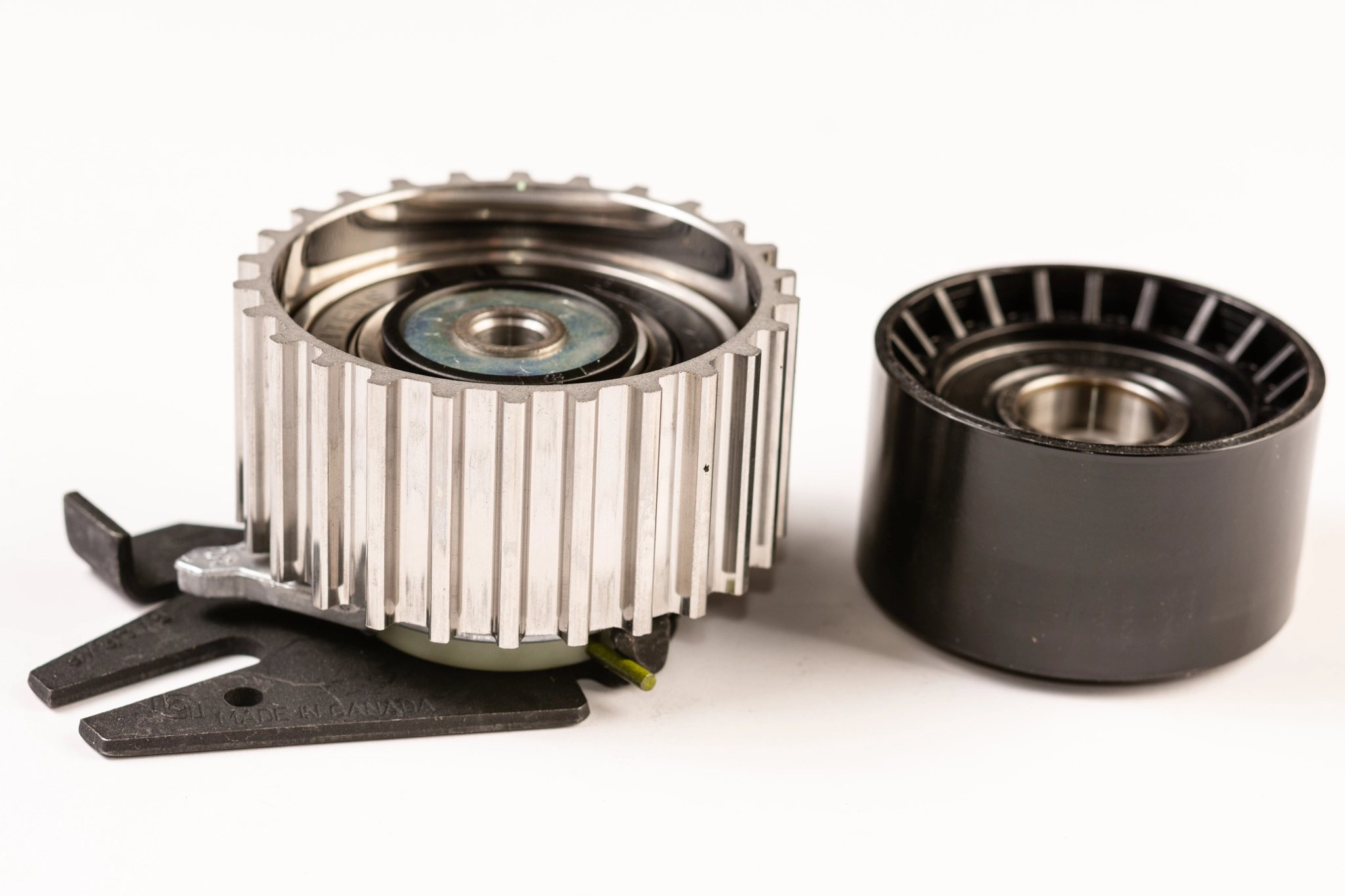 To summarize, industrial spare parts are a fundamental necessity for modern businesses. They help reduce downtime, improve efficiency, and extend equipment life, making them crucial for smooth operations. By investing in high-quality spare parts, businesses can maintain strong operational performance and stay competitive in todays demanding market.
An important reason for using industrial spare parts is their ability to prevent long delays. When systems stop working, Timing Belt having accessible replacement components allows efficient maintenance. Such efficiency prevents revenue loss and ensures that operations can resume quickly.
Another significant advantage of industrial spare parts is their role in extending equipment lifespan. Regular maintenance using genuine parts helps avoid costly failures. This strategy ensures that equipment delivers consistent performance.
Performance is another major aspect when it comes to replacement components. Using high-quality parts ensures that machinery operates efficiently. Low-quality components can result in higher maintenance costs, making it essential to prioritize reliability.
Industrial spare parts also enhance performance by ensuring that machines run smoothly. Efficient systems can achieve better results. This operational reliability helps businesses stay competitive in the market.
A key advantage of industrial spare parts is their broad usability. Such components are used in multiple sectors, including engineering, processing, and heavy industries. Such adaptability makes spare parts a core necessity in business processes.
Budget management is another major consideration when using industrial spare parts. While premium components may cost more upfront, they help reduce long-term costs by reducing breakdowns. This long-term strategy benefits businesses by improving profitability.
Availability is another key consideration of industrial spare parts. Established distributors ensure that parts are readily available, which is essential for efficient repairs. Consistent availability helps businesses avoid delays.
Modern innovations have also improved the efficiency and reliability of replacement parts. Advanced materials allow parts to perform better. Such innovation ensures that businesses can achieve greater efficiency.
A further strength of replacement components is their role in ensuring safety. Damaged parts can pose serious hazards. Replacing these parts helps protect employees and equipment.
Industrial spare parts also support system improvements. Organizations can enhance equipment capabilities by integrating modern replacements. Such adaptability allows industries to maintain competitiveness.
To summarize, industrial spare parts are a fundamental necessity for modern businesses. They help reduce downtime, improve efficiency, and extend equipment life, making them crucial for smooth operations. By investing in high-quality spare parts, businesses can maintain strong operational performance and stay competitive in todays demanding market.